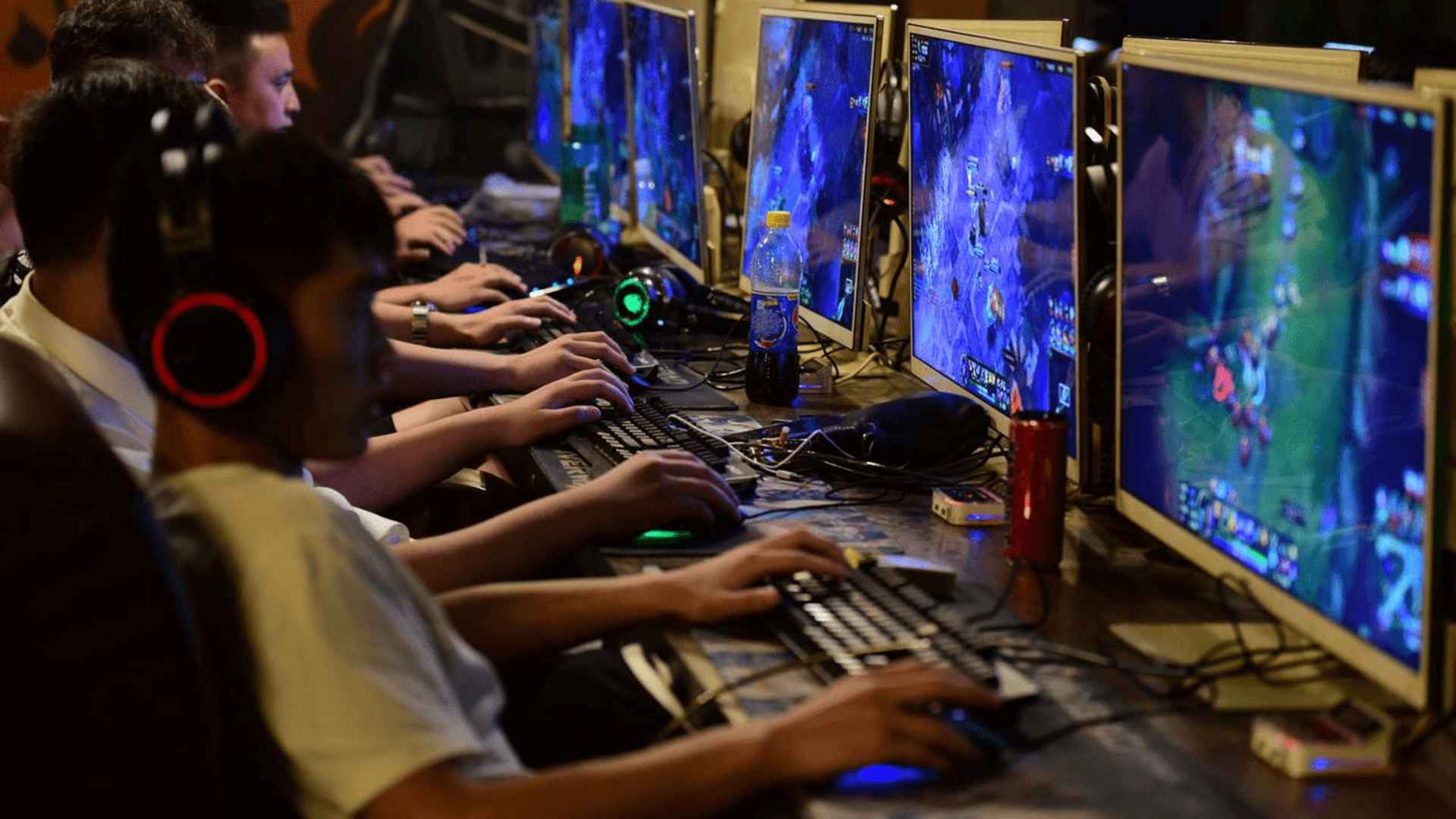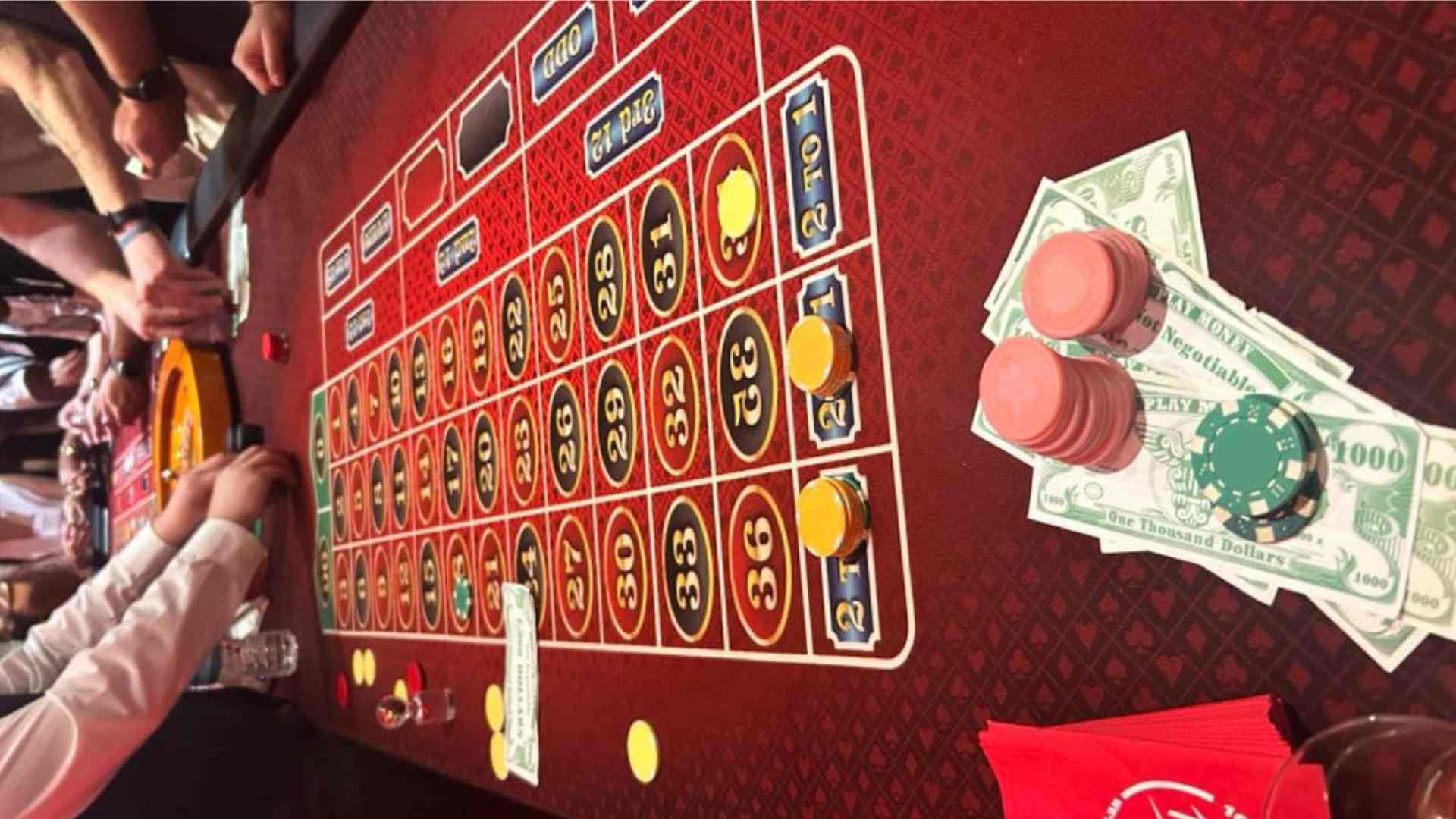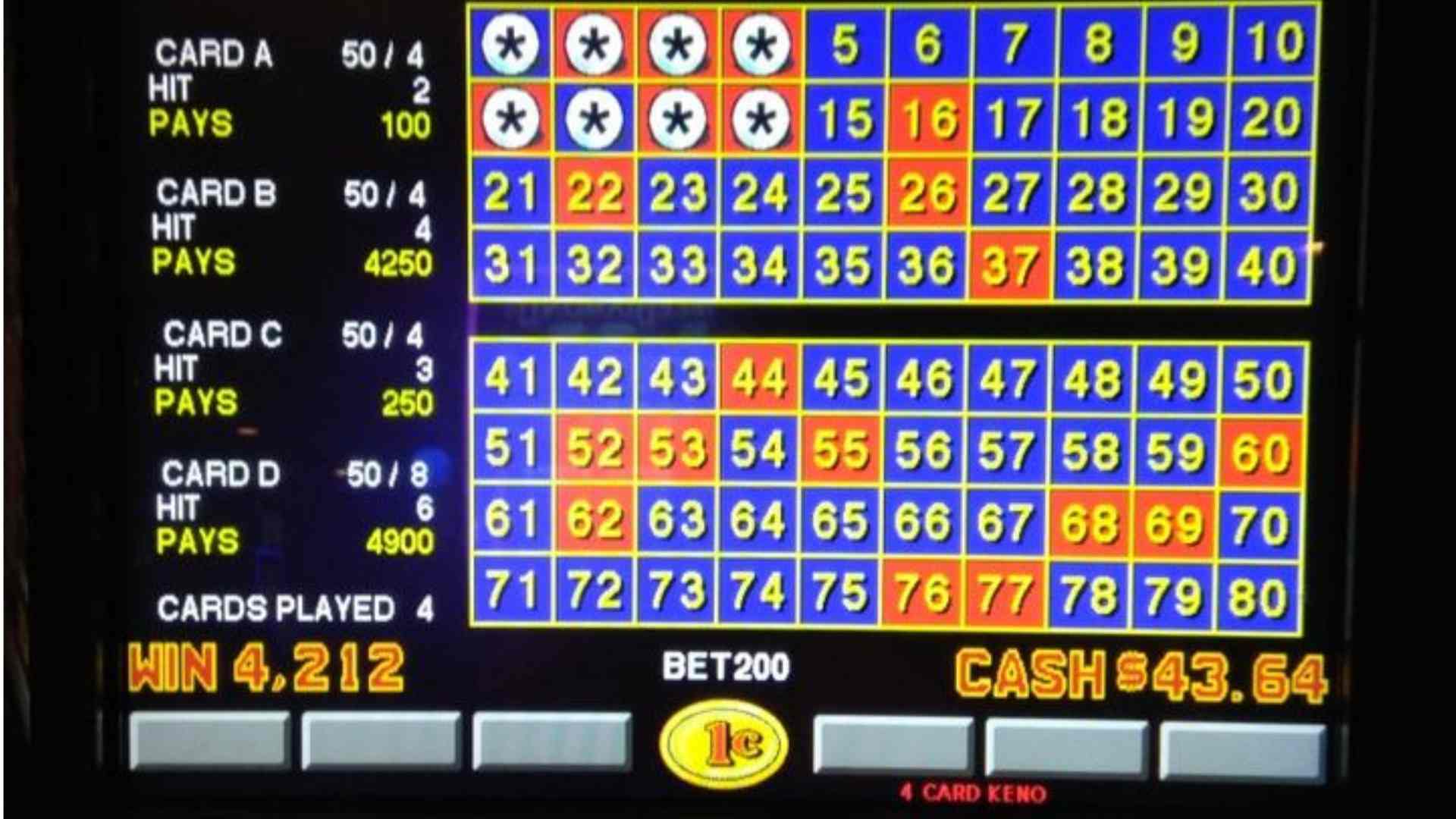
Participating in probability-based entertainment offers excitement and mental engagement, but maintaining a healthy relationship with these activities requires emotional maturity. Accepting losses gracefully is perhaps the single most important skill a player can develop to ensure that casual play remains safe and enjoyable. When individuals learn to handle unfavorable outcomes without frustration, they protect both their well-being and their financial security.
Understanding the Nature of Chance
Every outcome in random selection games is entirely independent of past results, meaning that losses are a normal part of the process. Players who understand statistical odds recognize that no technique can guarantee a positive result in every single session. Accepting this reality helps eliminate the unrealistic expectation that every attempt should yield a reward.
Viewing negative outcomes as the predictable cost of entertainment allows participants to maintain emotional balance. When an individual expects setbacks as part of the experience, unexpected results no longer cause stress or disappointment. This rational perspective forms the foundation of sustainable long-term play.
The Danger of Chasing Unfavorable Outcomes
One of the most frequent mistakes in digital entertainment is attempting to recover lost funds by increasing session length or risk levels. This behavior often stems from emotional pride rather than logical planning, creating an unhealthy cycle of decision-making. Learning to step away after an unsuccessful round prevents temporary setbacks from escalating into significant difficulties.
By treating each session as an isolated activity with a fixed budget, individuals maintain complete authority over their choices. Accepting an outcome immediately allows players to reset mentally before engaging in future recreation. Emotional control remains the strongest shield against impulsive choices.
Building Mindful and Sustainable Habits
Developing healthy habits requires setting clear boundaries before joining any session or placing entries. Establishing pre-determined budget limits and time restrictions ensures that recreation remains within personal boundaries. When players strictly honor these self-imposed rules, accepting setbacks becomes a smooth and routine part of the process.
Focusing on the recreational value rather than purely financial results fosters a healthier mindset over time. Engaging in varied leisure activities ensures that interactive games remain just one small component of a balanced lifestyle. Cultivating patience ultimately elevates the overall quality of modern digital play.
Maintaining Long-Term Joy in Recreation
Ultimately, graceful acceptance transforms how individuals experience interactive digital platforms. Moving past temporary losses enables enthusiasts to focus on strategy, social interaction, and pure entertainment. Responsible gaming relies heavily on recognizing that true success lies in self-control and personal enjoyment.