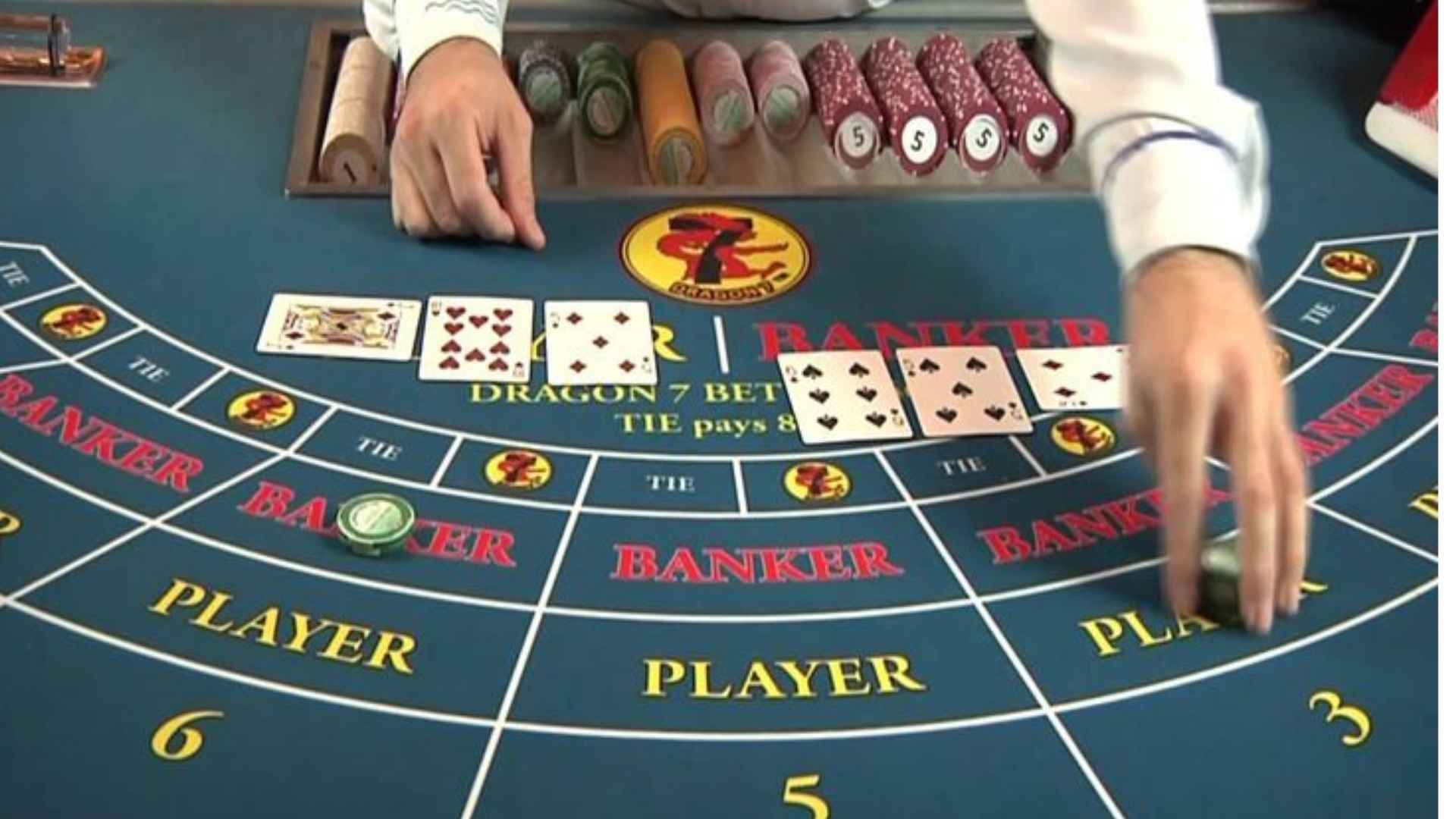
Achieving consistent victories in competitive card games requires far more than relying on a favorable deal of cards. Elite players separate themselves by developing a systematic approach to evaluating information as it unfolds at the table. By learning to read hidden patterns and tracking discarded values, you can elevate your decision-making and dominate your opponents.
The Core Framework of Tracking
Every successful card strategy begins with a strict dedication to tracking variables that are hidden from view. By noting which high-value options have already been deployed, you can calculate the exact probabilities of future plays. This disciplined observation prevents standard tactical errors and helps you build a clear mental layout of the match.
Beginners can simplify this method by focusing their concentration on just one crucial suite or a single opposing hand. Over time, practicing this routine regularly builds robust cognitive stamina and improves long-term memory retention. Experienced strategists often visit the reliable M88 asia platform to enjoy various strategic environments that test logical deduction skills.
Evaluating Hidden Distributions
Understanding the mathematical variety of a standard deal allows you to anticipate what your opponents hold. Every move made during a competitive round provides critical clues about the strength and shape of remaining hands. By analyzing these subtle indicators dynamically, you can adjust your defensive lines before the endgame arrives.
Failing to read the table accurately often leads to impulsive actions that eliminate winning possibilities. Professional competitors evaluate the relationship between visible cards and missing components to formulate an adaptable plan. Developing this analytical habit transforms casual card playing into a calculated exercise that yields consistent results.
Managing Risk and Tactical Timing
Knowing when to execute an aggressive maneuver is just as vital as understanding card distribution logic. Rushing an exchange without considering potential penalties can quickly disrupt your overall collaborative setup. Balanced players exercise patience and wait for optimal conditions before committing their highest resources.
Strategic planning ensures that you maximize entries while simultaneously neutralizing the tactical layouts of the defending side. Balancing risks against potential rewards helps you maintain composure under intense tournament pressure. Maintaining emotional restraint ultimately separates temporary success from long-term mastery at the competitive table.
Fostering Partnership Alignment
Many classic trick-taking formats rely heavily on continuous cooperation between two unified partners. True synergy surfaces when both distinct minds work in absolute coordination using shared communication frameworks. Establishing simple, consistent signals ensures that your partnership stays on the same page across complex deals.
Listening closely to the early phases of a match reveals vital details regarding the overall distribution layout. Using this inferred information allows you to support your partner's offensive strategy while counteracting opposing threats. Continuous collective practice across diverse scenarios transforms individual talent into a singular, winning alliance.