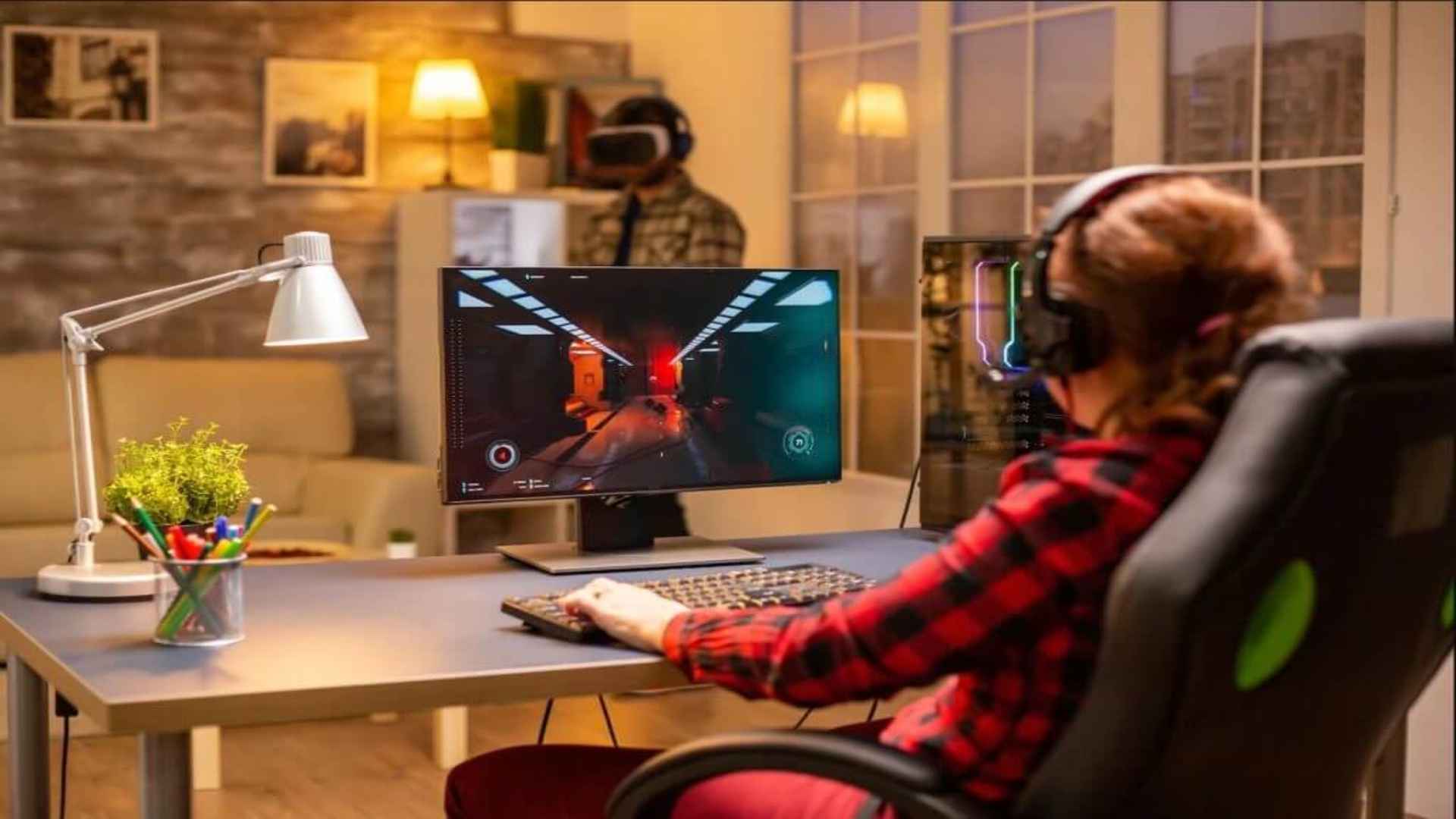
The global gaming industry is undergoing a major shift as players look for deeper engagement beyond traditional control schemes. Modern developments are redefining the relationship between participants and virtual environments, turning static experiences into fully participatory worlds. By prioritizing user agency and sophisticated feedback systems, developers are inviting audiences to explore interactive gameplay like never before.
The Evolution of Player Agency in Virtual Worlds
For decades, digital entertainment relied heavily on linear storytelling and fixed mechanics that offered limited paths for progression. Today, advanced artificial intelligence and dynamic world-design allow games to adapt seamlessly to individual player behaviors. This heightened level of reactivity ensures that every decision carries unique consequences, making the virtual environment feel genuinely alive.
As these complex systems become standard, finding reliable platforms that offer intuitive interfaces becomes essential for modern enthusiasts. Engaging with established spaces like Mansion88 can help players navigate these fresh mechanics in a highly secure setting. Familiarizing yourself with dynamic features allows you to fully appreciate how much control you truly have over your entertainment journey.
Sensory Stimulation and Immersive Environments
Another major factor driving this modern transformation is the integration of multi-sensory feedback and high-fidelity physics engines. Virtual environments now combine sophisticated audio design with realistic lighting effects to mimic the nuances of the real world. This intense level of physical realism captures the attention completely, blurring the lines between physical and digital spaces.
When players feel completely present inside a simulated environment, their emotional investment increases significantly. This sense of presence is further enhanced by adaptive soundtracks that change tempo based on in-game tension or exploration choices. By engaging both the mind and the senses, contemporary titles ensure that every session remains deeply memorable.
Community Integration and Collaborative Challenges
Modern gameplay is no longer a solitary experience, as modern platforms heavily emphasize social mechanics and cooperative problem-solving. Creative multiplayer modes allow individuals from different parts of the world to collaborate on intricate tactical challenges or build shared spaces. This strong communal focus fosters long-term relationships and transforms passive media consumption into an active social hobby.
Furthermore, the inclusion of user-generated content features allows community members to design their own challenges and share them globally. This continuous loop of creation and exploration keeps the digital ecosystem fresh, giving titles a much longer lifespan. As these collaborative tools keep evolving, the boundaries of interactive entertainment will continue to expand indefinitely.